
Consumer Information
You are embarking on a journey of constructing a long-term product for your home. You should allow time to understand and check the instructions, parts and nature of the materials that you will be using, this may take hours to days depending on the size of the project that you are undertaking. The assembly process will vary according to individual abilities and the complexity of the project. Any indication given on our website or literature as to the time required to assemble a product must be deemed as approximate as wood is a natural product and may require manipulation prior to assembly. In the event that some of the timbers are warped and prove difficult to assemble, competent manipulation, e.g. light wetting, sensible weight application, and slowly (over a few days if necessary) heating or cooling can overcome the majority of warping to allow assembly.
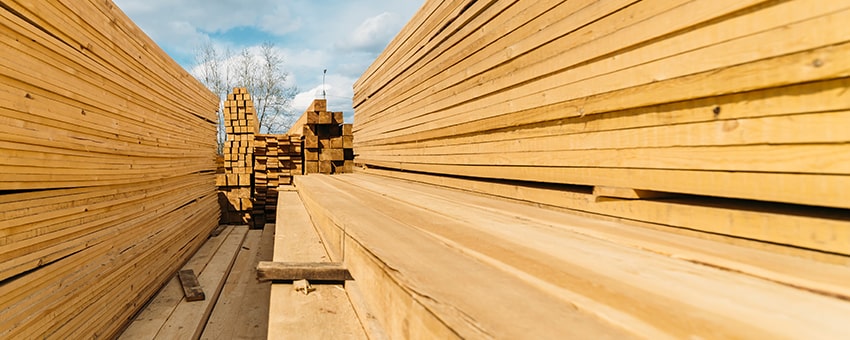
Wood is a natural product and all trees are different with different properties. These properties can include colour differences, warping, twisting, shakes, splits, knots, knot holes and varying surface finishes and are part of the natural properties of this type of material. These properties are normal for externally used timber, and cannot be guaranteed against. Sometimes deep and wide shakes and cracks can appear unsightly but we have calculated for these in our designs. Minor adjustments may have to be undertaken on site due to the nature of timber.
The Most Important:
At Dunster House, we only use slow-grown Spruce, specifically sourced from cold climates. Why? Because these conditions lead to slower growth, resulting in denser growth rings. This then provides your garden structure with superior strength, durability, and a more consistent appearance throughout the timber.
While we’re committed to selecting only the highest quality timber, it remains a natural material – so each piece is unique. Once assembled, your product may begin to settle, and natural characteristics may appear. These can include:
- Knots,
- Small cracks,
- Splits,
- Shakes,
- Warping,
- Minor expansion and contraction,
- Striation (fine, natural lines on the timber surface)
These features are entirely normal and part of what gives timber its natural charm. They are not considered defects under our Terms & Conditions and, in most cases, won’t affect the structural integrity or function of your product. Our expert designs account for these natural variations, ensuring your structure remains strong, reliable, and built to last.
To enhance the durability of your garden structure we recommend the following:
Before your product arrives, it’s important to understand the type of timber treatment it has received. Some of our products are untreated, while others are pressure-treated. This distinction will determine the level of additional protection you may need to apply.
To help better protect your timber against the elements, increase its longevity, and reduce movement like expansion or warping, we recommend:
Storage Before Installation:
- Store timber in a dry, well-ventilated area, fully covered and protected from the elements.
- For pressure-treated products, avoid direct contact with the ground. The pressure treatment process involves a brown dye that can stain light-coloured or porous surfaces when exposed to moisture.
- Use a protective barrier such as a tarpaulin, and ensure proper drainage to keep the timber dry and in good condition.
Treatment for Untreated Products:
- When purchasing an untreated product, you’ll have the option to select a treatment from the available extras during checkout.
- Please note: Take time to understand if the treatment encompasses both anti-mould element as well as containing water repellent properties. To best protect your timber product, it is important both elements are involved in the treatment process.
- Always follow the treatment manufacturer’s guidelines, including the number of coats and recommended re-application schedule.
Additional Protection for All Timber (Treated & Untreated):
Even pressure-treated timber, while protected against rot and insect infestation, is still susceptible to moisture absorption. To improve weather resistance, reduce warping, and extend the life of your product, we recommend the following:
1) Water-Repellent Treatment
- Apply a high-quality, microporous water repellent as soon as possible after installation, focusing especially on exposed end grain. This allows the timber to breathe while minimising moisture uptake.
- Please Note: Water-repellent treatment is not the same as pressure treatment. While pressure treatment guards against rot (covered by our 10-year guarantee), it does not prevent water absorption.
- Always follow the product manufacturer’s instructions and reapply as needed to maintain long-term effectiveness.
2) UV Protection Oil
- To protect against sun bleaching, apply a UV-resistant oil or sealant. This forms a barrier that helps prevent discolouration caused by sunlight.
- If you’re using multiple treatments, check product labels for compatibility. When in doubt, consult your treatment supplier for guidance.
3) End Grain Sealant
- If you cut pressure-treated timber, the protective layer is compromised, and the 10-year guarantee is voided.
- We strongly recommend applying an end-grain preservative to all cut surfaces to restore some level of protection. However, please note that even with re-treatment, the guarantee will remain void.
Ongoing Maintenance:
- Ensure your building has proper ventilation, especially if you’re covering the floor. Non-breathable materials can trap moisture and increase the risk of rot. Consult an expert if you’re unsure about suitable flooring options.
- Periodically check and tighten all bolts and fixings to maintain structural stability.
- Before winter, inspect and re-treat any exposed timber. Also check doors and windows operate smoothly and make any necessary adjustments.
Log Cabins
You will likely have to (regardless of who installs the product and what log cabin you purchase):
- Perform maintenance such as repack window and doors, adjusting storm braces and tapping down logs
- Manipulate the timber if warped or twisted (wetting and weighting works a treat!)
- Regularly ventilate log cabins
- We recommend that if you intend to fix items to the walls that they do not attach over several wall logs. This can restrict the natural expansion and contraction of the product and create gaps.
- Regularly clear the roof of any debris to avoid water pooling on the roof
- Some customers like to modify their product by covering the floor however we would recommend that you check with your chosen floor covering supplier that it is suitable to fit over the top of spruce floorboards. This could potentially lead to rotting floor boards.
- A square, level and plumb base. No run offs, no unevenness, nice and sturdy and capable of supporting the weight of the product.
Climbing Frames
You will likely have to carry out maintenance on your climbing frame regardless if you or a 3rd party install your climbing frame:
- The timber will naturally crack however you can apply a water repellent to reduce the amount of splitting caused by the weather.
- Check all nuts and bolts and tighten when required. Check screws and replace any fixings if they have sheared.
- Check timber parts for evidence and deterioration and purchase replacements when required, remember cracks will naturally appear!
- Remove any swinging ancillaries to avoid damage in abnormal weather conditions.
Garden Offices
You will likely have to (regardless of who installs the garden office)
- Adjust the patio door bogey wheel (using a screwdriver)
- Keep it well ventilated to allow any wet works to dry (much like a new house)
- Keep drainage holes clear and free from debris
Other Products (we sell lots of other products however have narrowed down to the key points)
Some customers like to modify their product by covering the floor however we would recommend that you check with your chosen floor covering supplier that it is suitable to fit over the top of spruce floorboards. This could potentially lead to rotting floor boards.
- A square, level and plumb base. No run offs, no unevenness, nice and sturdy and capable of supporting the weight of the product.
- Ensure that any brackets are fitted at the correct height for the roof to sit properly.
Contact us for guidance at [email protected], we’re happy to help!
 Back to help centre