


Main Material
Timber
Wood is a beautiful natural material which provides many benefits, such as its insulating properties and environmental sustainability. However, it is also important to consider that, as a natural material, timber will come with certain unfavourable qualities, such as:
- Crack
- Warp
- Twist
- Split
- Shrink and contract
- Swell and expand
It is therefore important that you provide the correct care and maintenance for a timber garden building. This can look like treating your timber as soon as possible and filling in gaps that may occur to increase the longevity and stability of your garden building.
Composite
Composite refers to the combination of wood fibres and polymer; this mixture of different base materials makes the resulting composite strong, sturdy, and long-lasting. It provides a modern, sleek look to your garden building as it has a consistent smooth texture and consistent colour. It is also a low-maintenance option – mild soapy water will usually suffice, and it is unwise to use harsh chemicals.

Garden Building Window Materials
Toughened glass
This is a superior window material that is four to five times stronger than regular glass due to the specialised treatment process it undergoes. This process involves heating a piece of regular float glass to over 600°C and then rapidly cooling it with high-pressure, cold air.
This makes your windows both harder to break and means that if they do break, it is into small more harmless fragments compared to the dangerous shards of regular glass.
Float Glass (Horticultural)
Regular float glass and horticultural glass are commonly used in garden buildings and are usually a less expensive option than toughened glass. Its clarity is usually very good, like with the clarity of toughened glass and is also one of the better options when it comes to being scratch resistant. However, breaking the glass is relatively easy to do, and upon being broken, the untreated glass would shatter into potentially dangerous shards.
Styrene
Another affordable option would be styrene, which is a plastic alternative to glass, often used in garden buildings. It is valued for being lightweight and less dangerous when it breaks, but it also discolours and scratches more easily than the glass alternatives. Additionally, it is a less secure option for your belongings.
Perspex (Acrylic)
An alternate plastic-based window option that is considered more costly, but it also provides a higher-quality and more durable window than styrene. The discolouration that can occur with the plastic alternative windows is less likely to apply to the Perspex option than with the styrene option, as it can come with UV-protection or can be treated.
Roof Covering Options
Superfelt
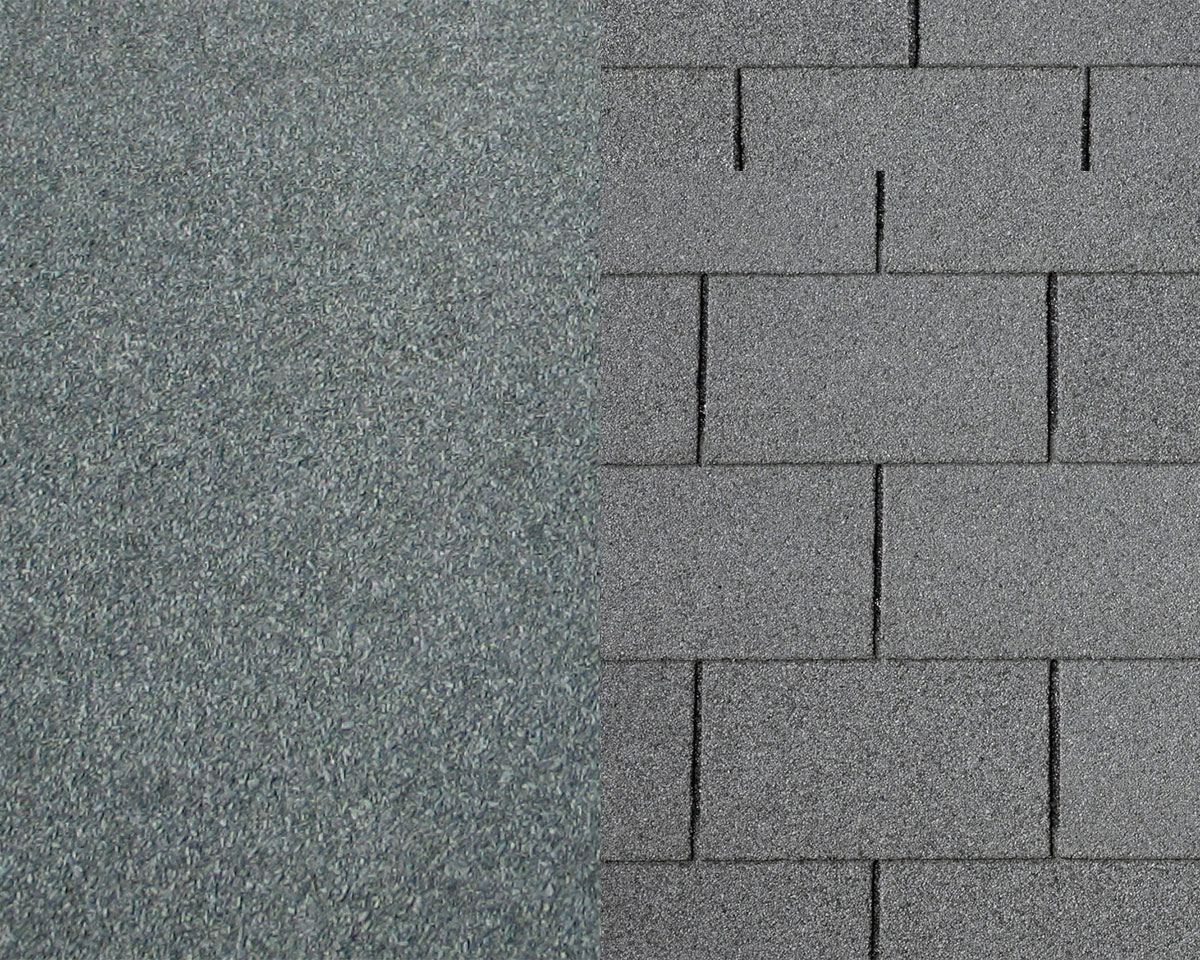
Meet superfelt, the superior alternative to regular mineral felt with its advanced polymer formula, which makes it more durable and resistant to tearing in powerful winds. In comparison to shingles, roofing felt is usually the more budget-friendly and versatile option, but don’t let that fool you into thinking it isn’t a sturdy option.
Superfelt is a material with a larger elongation. This refers to the elongation at the breaking point, showing how resistant a material is to changing shape and breaking, so a longer elongation means the material is less susceptible to being damaged.
Shingles
Shingles are composed of glass-fibre-based bitumen and are long-lasting, strong and stylish. Shingles are excellent at withstanding extreme weather conditions as this material is rot-resistant and flexible enough to tolerate heavy rain and frost. Although shingles cost more and are harder to install than roofing felt, their appearance, longevity, and strength make them the superior choice of the two. However, they are not compatible with all roof types, so make sure you research your specific garden building needs.
Foundation Options
Concrete
Concrete is the most stable and secure foundation you can use for your garden building, and it works with most ground conditions, even steep slopes and unstable ground. Concrete is a great choice to ensure the longest possible life for your garden building, as it allows your garden building to fully settle properly. However, this option is, in most cases, the most costly of the foundation options.
Decking
For a natural, seamless look between your foundation and wooden garden building, decking is the best choice in terms of aesthetics. The stability of this option as a foundation will vary depending on the quality of the construction and the wood used.
This foundation option functions best when it is treated, receives proper support, is well ventilated, has a weed-membrane laid beneath it, and only has to provide the foundation for a small and light garden building.
Patio
In terms of aesthetics, a patio foundation option can rival decking. Patio provides a flexible foundation option in that you can alter the design after you construct your garden building, leaving you with the ability to easily extend your patio space.
It is important to consider the drawbacks of using patio slabs as your garden building foundation, which can be quite significant. These drawbacks are drainage and movement, with movement being the more worrisome of the two, as with proper planning, drainage issues can be mitigated. Whereas movement issues are harder to control and have a detrimental impact on your garden building.
Rapidgrids
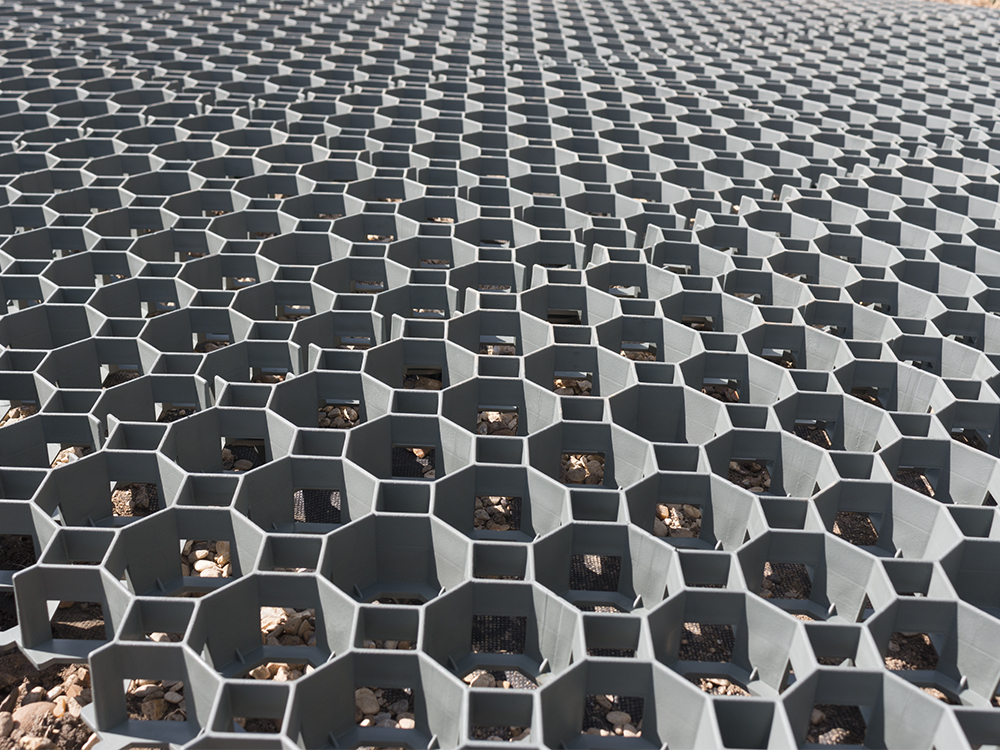
Looking for an easy-to-install, budget-friendly base? Then Rapidgrids could be the choice for you. Rapidgrids are an innovative foundation system that involves heavy-duty plastic grids which interlock together to provide a strong base for garden buildings. While concrete is stable and adapts to many different environments, Rapidgrids are less expensive and time-consuming, especially as you can install them yourself. Find out how to install them: Why Choose the Rapid Grid Foundation System for Your Garden Building | Help Centre

Treatment
Pressure Treatment
Pressure-treated timber is one of the best options when it comes to wooden garden buildings. To pressure treat timber, the wood is placed into a treatment kiln where chemical preservatives are embedded deep into the lumber. Ideally, the planks would be precut so that the treatment can be better absorbed from all angles. Pressure treatment reduces the chance of rot or insect infestation due to excess moisture absorption, but it is recommended to still use a water repellent.
Dip Treatment
This is a treatment type which is less comprehensive than pressure treatment, as, instead of the preservative being pushed deep into the timber, it just coats the top. This is a more economical way to treat timber, and it is also normally faster, meaning that you may be able to get your product faster.
Untreated
You may wonder why we leave some of our garden buildings untreated. There are two main reasons for this: style and timber expansion. In terms of style, having an untreated garden building gives you the freedom to decorate it to your taste. Many of our garden buildings are designed to have interlocking logs for ease of installation, while maintaining stability, but with the absorption of treatment into the timber, it can expand, meaning that the interlocking logs will no longer fit together.

Cladding Styles
Overlap
Overlap is the most budget-conscious cladding style; it involves partially layering one plank over another. While this is the cheapest and quickest type of cladding style to adopt, it is also the most prone to flaws, including leaks and gaps.
Tongue and Groove
Superior strength and insulation are the main benefits of a tongue-and-groove style of cladding. It is characterised by an interlocking design of a ridge and a dip that fit together in order to eliminate the need for external fastenings, whilst still ensuring stability.
Shiplap
Shiplap is one of the more secure cladding styles and is at its best when defending against poor weather. The planks that make up a shiplap style of cladding overlap but are built to slot together, with each plank having a rebate (L-shaped recess) on each side of the timber.