
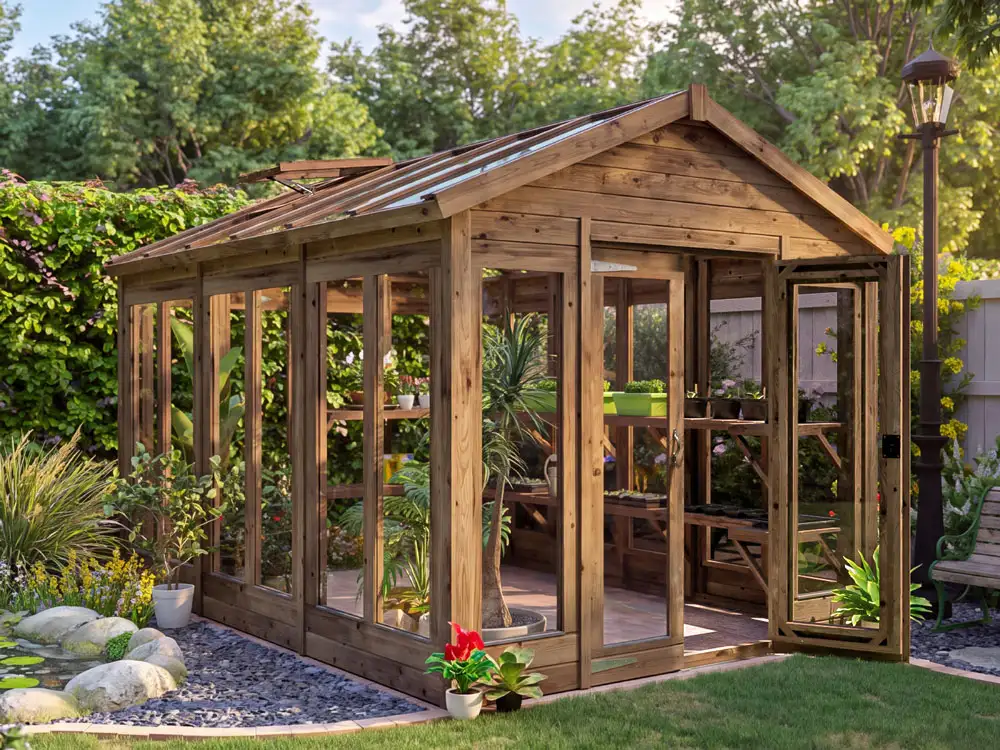
Gardening in a greenhouse starts with constructing and laying out your plants, greenhouse shelves, and greenhouse storage areas. This guide aims to provide greenhouse ideas to inform your greenhouse layout, from which tools and plants would be best to the optimal positioning and shelving ideas for your greenhouse.
Choosing the Best Place for Your Greenhouse
Multiple factors may impact the placement of your greenhouse, its ability to nurture your plants, and how it fits in with your garden, including:
Sunlight
Consider where your greenhouse will receive plenty of natural light throughout the day. You should also think about nearby buildings, fences, trees and objects inside the greenhouse that could cast shade over your plants. This will also affect how you configure the inside of your greenhouse, since you’ll need to think about where and what interior factors could block sunlight for different plants from within.
Garden Flow
Think about how the greenhouse will fit into the rest of your garden. Consider how easily you can access it, how close it is to water and gardening equipment, and whether its position works naturally with the rest of your outdoor space.
Foundations
Decide what you want from your greenhouse base.
- Soil gives plants access to a larger rooting area and allows water to drain naturally by allowing them to grow directly into the ground. However, the greenhouse itself still needs to be securely installed on a stable and level base.
- Concrete is a great option if you need a durable and sturdy surface to build on, but it does mean you will need to provide suitable drainage and grow plants in pots, planters or raised beds rather than directly in the ground.
- Rapidgrids provide the middle ground between a soil base and concrete foundations, as they offer a rigid framework, and the grids filled with pea shingle can facilitate drainage.
Greenhouse Size
It is important to balance what you need from your greenhouse and what you want from your garden as a whole. Think about how much growing space you need without allowing the greenhouse to overwhelm the rest of your garden.
Greenhouse Layout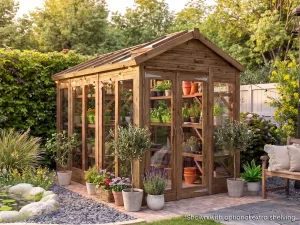
Greenhouse Purpose
Knowing what purpose you want your greenhouse to serve will help guide its layout. Growing plants will usually be the main purpose of your greenhouse, but you may also want space for seed preparation, storing gardening equipment, or simply working comfortably around your plants.
Greenhouse Sides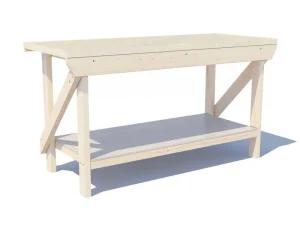
Most greenhouse layouts use a central pathway with growing or working areas arranged around the sides. Keeping the centre clear makes it easier to reach plants, move equipment, and access the back of the greenhouse.
Depending on how you plan to use the space, the sides could include:
- Shelving or staging
- Larger growing areas
- A workbench
- Space for taller plants
- Clear areas to improve access and light
Greenhouse Shelving
Using shelves is a fantastic way to maximise the space in your greenhouse by making use of vertical space. Be mindful of shelf weight limits, sun distribution, and lifting heavy items when choosing where to place both your shelves and the contents of your greenhouse. We offer shelves as an optional extra on our Growzilla range and they are included with our Sprouthouse greenhouse.
Other Garden Buildings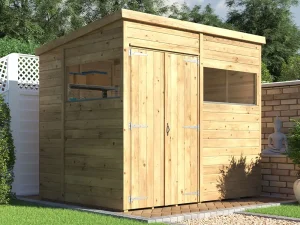
If you have other garden buildings, think about their purpose and proximity to your greenhouse, as they can be either complementary or disruptive:
Shed: Great storage for bigger gardening equipment so that plenty of space is left for plants and gardening. However, if positioned incorrectly, it could block the sunlight from getting to the plants.
Pergola: Provides another area of the garden for climbing plants and established plants that no longer need the protection of the greenhouse.
Potting Shed: Balances the need for storage with the capability to properly support plant growth. Potting sheds make an excellent substitute for greenhouses if more of an storage capacity is favourable.
Greenhouse Tools and Accessories
Knowing what to have within your greenhouse helps in planning out the space you’ll need and how to arrange the interior of your greenhouse to best nurture your plants. The following list is to present potential implements you may want in your greenhouse:
- Pots
- Seed trays
- Planters
- Compost
- Seeds and bulbs
- Plant labels
- Watering can
- Trowel
- Hand fork
- Secateurs
- Twine or plant ties
- Plant supports
- Thermometer
- Gardening gloves
- Kneeling pad
- Plant mister or spray bottle
- Propagator
- Small brush
Water Source
Easy access to water will make looking after your greenhouse much simpler, particularly during warm weather when pots and containers can dry out quickly. Consider whether you will use a hosepipe, watering can, outdoor tap or collected rainwater from a water butt.
Planting in Your Greenhouse
Picking Your Plants
When choosing what to grow, think about which plants benefit most from the warmer, more protected conditions inside a greenhouse. You should also consider whether different plants have similar requirements for light, temperature, watering and humidity. If you want to maximise your space, companion planting can be a good method to help decide on plants.
Vulnerable plants
Delicate plants, young sprouts, and plants that prefer warm conditions can be easily damaged by outside factors such as weather fluctuations and pests and therefore benefit from being in a greenhouse.
Plants With Similar Growing Conditions
There are certain combinations of plants that, when grown in proximity to each other, grow more successfully. Additionally, grouping these plants together would make your greenhouse easier to manage.
Plant Sizes
You are likely to have plants of multiple sizes in your greenhouse. An easily made mistake when setting up a greenhouse is bringing in multiple plants without estimating how they may grow. This can lead to a greenhouse which is crowded and plants that suffer due to lack of space. Therefore, it is important to make plans for how your plants will grow into the space or where you will have to relocate them.
Seed Trays, Pots, Planters or Ground Planting?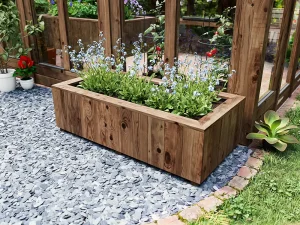
When choosing your plants, it is also important to decide on their growing vessel:
Seed Trays
The perfect place for you to start growing your plants. Ideal for germinating seeds and raising young seedlings before they are transferred into larger pots, planters or growing beds.
Pots
When gardening, the plant pot is a very versatile option; coming in many shapes and sizes, they are great for many different plants. Manoeuvrability and freedom of placement are major benefits of plant pots as they allow you to shift plants around both in your greenhouse and in your wider garden. Additionally, you get more control over factors such as soil, meaning you can create the best environment for your plants at an individual level.
Planter
Sharing many of the benefits of plant pots, planters are an excellent option for combining freedom of movement with a larger growing area, making them suitable for groups of plants or crops that require a larger root area. Dunster House has a range of planter available made of timber or displaying a timber effect, which have been designed with the goal of seamlessly complementing both your greenhouse and garden. This makes these planters ideal for use both within your greenhouse and amidst your garden.
Ground
Growing directly in the ground can provide plants with a larger root area and reduce some of the restrictions associated with containers. It can work particularly well for larger plants and crops that will remain in a permanent position or need more freedom to grow.
Want to know more about Dunster House Greenhouses and Shelves?
Having read the greenhouse setup guide you are equipped to start your greenhouse journey with knowledge of what to consider, what you may want in your greenhouse, and which garden buildings are complementary, so the only thing left to do is chose your greenhouse. To learn more before you make your decision you can reach out via;
- Phone: 01234 272445
- Email: [email protected]
- Website: Contact Us Form
 Back to blog