

Cultivating a thriving garden doesn’t have to drain your bank or the environment. By implementing clever techniques and affordable garden ideas like companion planting, reusing resources, and getting crafty, you can create a beautiful outdoor space while saving money and reducing waste.
Harness the Power of Companion Planting
Imagine a garden where plants work together, supporting each other’s growth and fending off pests naturally. That’s the magic of companion planting. This method involves strategically placing different plants close to each other so their symbiotic relationships benefit the entire garden.
A classic example is the “three sisters” – corn, squash, and beans. Corn provides a stalk for beans to climb, beans fix nitrogen in the soil to feed the corn and squash, and squash leaves shade the soil, conserving moisture and suppressing weeds.
By choosing complementary plants, you can:
- Save on plant feed: Different plants have varying nutrient needs and contributions to the soil. Pairing them wisely can reduce the need for external fertilisers.
- Reduce insect repellent costs: Many plants naturally repel specific pests. Planting these alongside vulnerable crops can create a natural defence system.
- Provide natural support and shade: Taller plants can offer shade to more delicate ones or act as living trellises.
It’s important to note that not all plants are good companions. Some combinations can hinder growth. A little research into specific plant pairings will help your garden thrive effortlessly and economically.
Reuse, Repot, and Replant
As your plants flourish, they’ll eventually need more room to grow. Reusing pots is a simple yet effective way to save money and be more environmentally friendly.
- Instead of buying new containers, time your repotting so that smaller plants can “grow into” larger, empty pots from other plants that have been moved on or divided.
- Investing in better quality plant pots becomes a smart investment rather than a lavish expense, as they’ll withstand years of reuse. Also, they could add to the beauty of your garden.
- This practice isn’t just good for your wallet; it ensures your plants always have the comfortable space they need to grow strong and healthy roots.
Get Crafty and Personalise Your Garden
Your garden is an extension of your home, and adding a personal touch makes it truly yours. Arts and crafts are a fantastic way to beautify your garden on a budget while expressing your creativity. Pinterest is brimming with inspiring ideas, such as:
- Outdoor chandeliers made from recycled materials
- Self-painted pots that reflect your style
- Hand-built hedgehog, bee, or bird houses to invite wildlife
- DIY lights, such as fill glass bottles/jars with fairy light, to illuminate your evening garden
Beyond the savings, crafting for your garden offers the satisfaction of making something with your own hands and even gaining new skills. It can be a wonderful activity to share with friends and family, creating lasting memories and perhaps even sparking their interest in gardening.
Make Your Own Compost
Compost is often called “black gold” by gardeners, and for good reason. Making your own compost is incredibly simple and will significantly reduce your need to buy expensive soil amendments. All you need is a balance of “green” (nitrogen-rich) and “brown” (carbon-rich) organic matter.
- Green Matter (nitrogen-rich): Raw vegetable scraps, grass cuttings, young weeds (before they go to seed), coffee grounds, tea bags, and green leaves. Avoid grains, cooked food, and meat.
- Brown Matter (carbon-rich): Cardboard, dry brown leaves, wood shavings, old newspaper, small twigs, straw, and hay.
Layer these components in equal, alternating layers. While mixing them can speed up the process, it’s not strictly necessary. The key to successful composting is balance: keep the pile warm by covering it, but ensure proper aeration; you can achieve this by allowing worms access from the base or doing it yourself with an aeration tool. Avoid overfilling your bin, and keep the compost consistently moist, but never soaking wet.
In about four months to a year, you’ll have crumbly, black, nutrient-rich compost ready to nourish your plants. This means you can save money by buying (or propagating) seeds and bulbs and growing your own plants from scratch, rather than paying more for fully grown plants.
Propagate Your Way to a Fuller Garden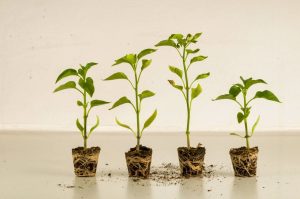
Why buy new plants when you can grow them for free? Collecting or trading seeds and cuttings, then propagating them, is a highly rewarding and economical way to expand your plant collection. When you’re out and about, keep an eye out for plants you admire that could be suitable for seed collection or cuttings. Alternatively, you can look for gardening clubs or social media groups where you can make trades.
There are several methods of propagation:
- Seeds: Collecting and sowing seeds.
- Roots: Dividing plants by their root systems.
- Cuttings: Taking sections of stems, leaves, or roots to grow new plants.
- Division: Separating clumps of plants into smaller, viable sections.
- Layering: Encouraging roots to form on a stem while it’s still attached to the parent plant.
The best method for you will depend on the plant type, your desired result, the timeframe you have, the health of the parent plant, and the ease of the technique. Once you’ve chosen a plant to propagate, it’s wise to research the specific best practices for that variety. However, some general tips for success include:
- Cleanliness: Sterilise your tools to prevent disease.
- Cooling clippings: If not propagating immediately, store clippings in a cool place.
- Proper conditions: Ensure adequate drainage, appropriate moisture levels, and suitable light for your cuttings or seeds to thrive.
Recycle and Repurpose Materials
One of the most effective ways to save money and add unique character to your garden is by repurposing recycled materials.
- Pallets, often available for free from building sites or local businesses, are incredibly versatile. With a bit of creativity, you can transform them into charming benches, sturdy planters, elegant trellises, or even functional tables.
- Don’t discard glass jars and bottles! These can be given a new life in DIY and craft projects, becoming decorative elements that add a personal touch to your garden décor. Think solar lights, mini terrariums, or whimsical wind chimes.
- Stones, readily found or often free from construction sites, are excellent for creating pathways or improving soil drainage with a French drain system. This not only adds aesthetic appeal but also contributes to the health of your plants.
- Embrace composting your garden and household waste. This simple practice turns organic matter into rich, nutrient-dense soil, saving you money on store-bought compost and reducing waste.
- Get inventive with gardening pots. Old food packaging can make great plant pots, especially when you’ve just started the planting process. For example, using empty and clean yoghurt pots to grow herbs (remember to poke holes in the bottom).
- If you have a foundation built but your garden building has seen better days consider replacing it as this can reduce opportunity costs such as damaged belongings from a knackered shed. Plus using what you already have available to you to reduce initial costs so you can take the cost of installing a new base off the cost of getting a new garden building.
You can often obtain these materials for free through building sites, local businesses, online marketplaces (such as Facebook Marketplace, Gumtree and Freecycle) or your very own kitchen.
Smart Shopping
Being strategic when buying plants can lead to significant savings. Keep an eye out for bargains, especially for out-of-season plants. While they might require a bit more nurturing to establish, a consistent environment provided by a potting shed can help them thrive. Be aware of sales, deals, clearance sections, and discounts to see if you can get something you want for the same quality but a better price.
It could also be the case that adding extras at time of purchase could save you time and money (delivery cost, economies of scale, etc.), however, it is best to do your research to ensure you get the best value for money. Some extras add to the longevity of your products such as plant food can make your plants healthier and protective paint can extend the life of your garden building.
Consider investing in perennial plants and evergreens. These remarkable blooms return year after year, saving you the recurring cost of purchasing new seeds or annuals each season. They establish a foundation of beauty that grows your garden on a budget.
Multipurpose Garden Buildings
When it comes to garden structures, think about maximising their utility. Opt for multipurpose garden buildings like potting sheds that can double as storage and a planting area or log cabins that combine a cosy retreat with practical space. These structures offer two functionalities under one price tag, providing excellent value for money and enhancing your garden’s appeal. These multifunctional garden building are great for economising space.
Think about using the vertical space in your garden whether this be for your plants, using a pergola to grow up and maximise your space and create a flourishing garden on all levels. Alternatively, save by going up instead of out – by using shelving in a smaller shed you can maximise your storage space and make your belongings easier to organise.
By embracing these budget garden ideas and strategies, you can cultivate a beautiful, sustainable, and budget-friendly garden that you’ll enjoy for years to come.
 Back to blog