

Winter can be tough on wooden garden buildings. Cold temperatures, persistent rain, and increased moisture all put extra strain on the timber and the structure as a whole. With a few preventative steps, though, you can keep your garden building looking great and performing well throughout the colder months.
Treatment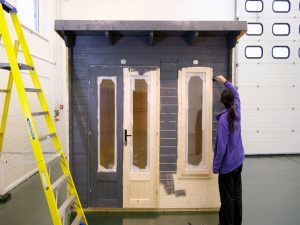
Issue
Rot, mould, and insect damage become far more likely when timber is exposed to prolonged dampness. You should treat your garden building as soon as possible, making sure that it is clean and dry. Most wooden garden buildings need re-treating every 3–5 years, depending on the type of treatment originally used. Always check the manufacturer’s guidance for specific recommendations.
Solution
Apply a high-quality primer followed by a protective paint or wood treatment. If your building needs re-treating, you can either:
- Sand and repaint the entire structure for a fresh, even finish
- Spot‑treat affected areas if only small patches need attention
Regular treatment creates a protective barrier that helps your timber building resist moisture and decay.
Ventilation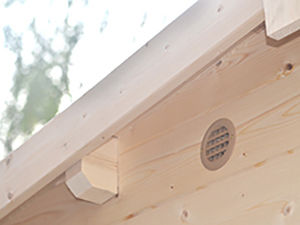
Issue
Poor airflow can trap moisture inside your garden building, leading to rust on stored items, mould growth that affects both the structure and your health, and warping of the timber.
Solution
Properly ventilation your garden building is a good idea to increase the longevity of your garden building and protection of your belongings. There are two main approaches to improving ventilation:
- Passive ventilation – using windows, doors, and vents to allow natural airflow
- Powered ventilation – using fans or dehumidifiers (battery, solar, or mains‑powered) to actively remove moisture
A combination of both often works well, especially in winter.
Check the Roof Felt
Issue
Worn or damaged roof felt can allow water to seep through, causing leaks and long‑term damage to the timber beneath. Once water gets in, it can spread quickly.
Solution
Inspect your roof felt regularly and fix any damage. If you spot damage, there are two ways to resolve the situation:
- Replace the affected section
- Re‑felt the entire roof for maximum protection
Always ensure the roof is completely dry before applying new felt, and check the timber underneath for signs of damp.
Seal Splits and Cracks
Issue
Even small gaps can let in water. Once trapped, moisture can cause rot or freeze in cold weather, expanding and making the damage worse.
Solution
Make sure the building is clean and dry, then add a filler:
- Fill gaps with wood filler (shop‑bought or DIY using resin and sawdust)
- Use epoxy for deeper or structural cracks
- Sand and re-treat the area once dry
This helps maintain the building’s structural integrity and weather resistance.
Manage Foliage
Issue
Grass, shrubs, and other foliage hold moisture – especially in winter. When they sit too close to your garden building, that dampness can transfer directly into the timber.
Solution
- Trim back surrounding foliage to allow airflow around the structure and stop water affecting your garden building
- Plant new shrubs at a distance to prevent moisture transfer
- Raise and widen the foundations slightly during construction to keep the building clear of ground-level damp
Good landscaping can make a big difference to long-term durability.
There’s no single fix for winter weather and will vary on your location and garden – the best protection comes from combining several preventative measures. With regular maintenance, good ventilation, and thoughtful landscaping, your garden building can stay strong, dry, and beautiful all year round.
 Back to blog