SAVE 30% USE CODE: MAY30

FAQ's

At Dunster House, we have an internal supply chain, which means that we can produce unique composite products made with our RCS machine, and we can control the quality of the composite. The composite material is special because of the properties that make it durable. This means it is well inclined to be a shed's or workshop's primary material as it is low maintenance and water resistant. These features make composite a great material to protect your belongings and shield you from the elements. Your workshop will come pre-painted for your convenience and will include a touch-up pen for any minor adjustments you may need to make down the line.

At Dunster House, we embrace the natural character of our Spruce timber garden buildings, treating wood knots as unique features rather than flaws. To ensure lasting durability, we seal these natural voids with a flexible, high-strength nylon Hot Melt Thermal Inlay.

This creates a permanent, weatherproof barrier that flexes with the changing seasons, preventing moisture from entering and avoiding the cracks you often get with traditional wood putty. This approach helps us reduce timber waste and delivers a smooth, factory-prepped surface that is completely ready for your chosen treatment. Available in Pine or Walnut tones, the inlay harmonises seamlessly with the wood's natural grain, ensuring your log cabin remains strong, sustainable, and looking great year-round.

Rendering is a skilled trade; seek a 3rd party professional if not highly competent in DIY. Achieving a smooth, durable finish requires proper technique, timing, and tool handling. Mistakes can lead to cracks, poor adhesion, or visible imperfections.

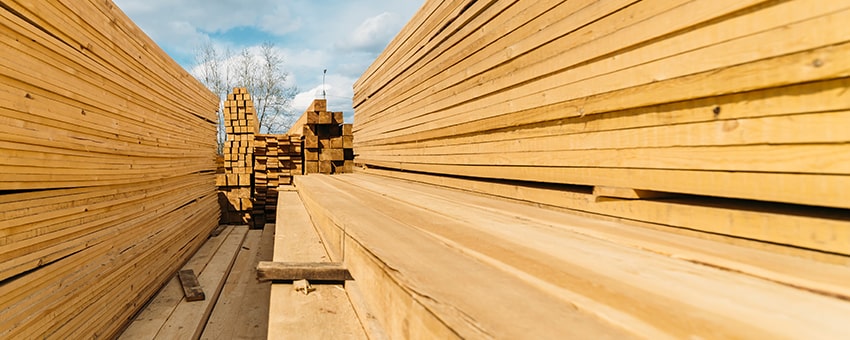
At Dunster House, we only use slow-grown Spruce, specifically sourced from cold climates. Why? Because these conditions lead to slower growth, resulting in denser growth rings. This then provides your garden structure with superior strength, durability, and a more consistent appearance throughout the timber. While we’re committed to selecting only the highest quality timber, it remains a natural material - so each piece is unique. Once assembled, your product may begin to settle, and natural characteristics may appear. These can include:
  • Knots,
  • Small cracks,
  • Splits,
  • Shakes,
  • Warping,
  • Minor expansion and contraction,
  • Striation (fine, natural lines on the timber surface)
These features are entirely normal and part of what gives timber its natural charm. They are not considered defects under our Terms & Conditions and, in most cases, won’t affect the structural integrity or function of your product. Our expert designs account for these natural variations, ensuring your structure remains strong, reliable, and built to last. For advice on addressing these natural occurrences, or for further support, please contact our Customer Services Team at [email protected].

EPS is expanded polystyrene (EPS) insulation board and is a high-performing thermal insulation. It significantly upgrades the thermal properties of a garden building, improving U-values and reducing the risk of water penetration and condensation. 

Full details are provided in our instruction manual; however, simple steps are outlined below; Step 1) Install the starter track Step 2) Install the EPS foam blocks to the walls using the (P2) adhesive and the supplied 100mm screws and washers Step 3) Apply (C2) adhesive and meshes to the EPS foam blocks supplied Step 4) Prime and apply render to the walls IMPORTANT: Please see the full instructions for a detailed installation guide.

No, however, this is completely dependent on your own preference. The render supplied is already white throughout the outer layer, with microbiological protection against the growth of algae and fungi and excellent colour fade resistance. Of course, you can change the colour of the render to whatever colour you like by using suitable external masonry paint if you wish. The boards visible around the edge of the roof are supplied in a cream colour, which also do not need to be painted as these are made from a material that is already weather resistant, though you can paint these to match the colour of your windows or other colours as desired and if left unpainted these roof edging boards will fade to a whiter colour over time.

Yes, we supply the materials needed to render your office. This includes; Aluminium starter profiles; 1200mm x 600mm x 100mm expanded polystyrene Class E Fire retardant EPS insulation sheets; Screws, spreader washers and P2 adhesive cans for fixing EPS sheets, and suitable drill bit and insulation discs for EPS sheets; C2 fibre reinforced adhesive mortar and mesh for all surfaces and edges; White C7 silicone render.

Another popular addition to a log cabin that can often prevent the movement of the free-floating wall logs, and therefore lead to gaps forming, is plasterboard. We have in fact tried and tested this as a modification to our design and can confirm that it is not a good idea as it can lead to the logs being unable to tighten down upon one another to close any gaps. We therefore do not advise plaster boarding the walls as being a good idea for your log cabin.

We use slow-grown Spruce timber to make this Arbour. Spruce is less porous than Pine and so less likely to shrink, warp or split.

We use slow-grown Spruce timber for the main structure of the Pressure Treated Summerhouse. This premium timber is less porous than Pine, resulting in greater resistance to shrinking, warping, and splitting.

On the day of delivery, your goods will be delivered in panels and individual parts to the first point of contact at the front of your property e.g your driveway. This must be within 20m from the delivery vehicle (safely parked at the kerbside), to allow the driver to transport the goods from the lorry to your property.